
The Ricoh GRIIIx review: is it STILL worth the hype?
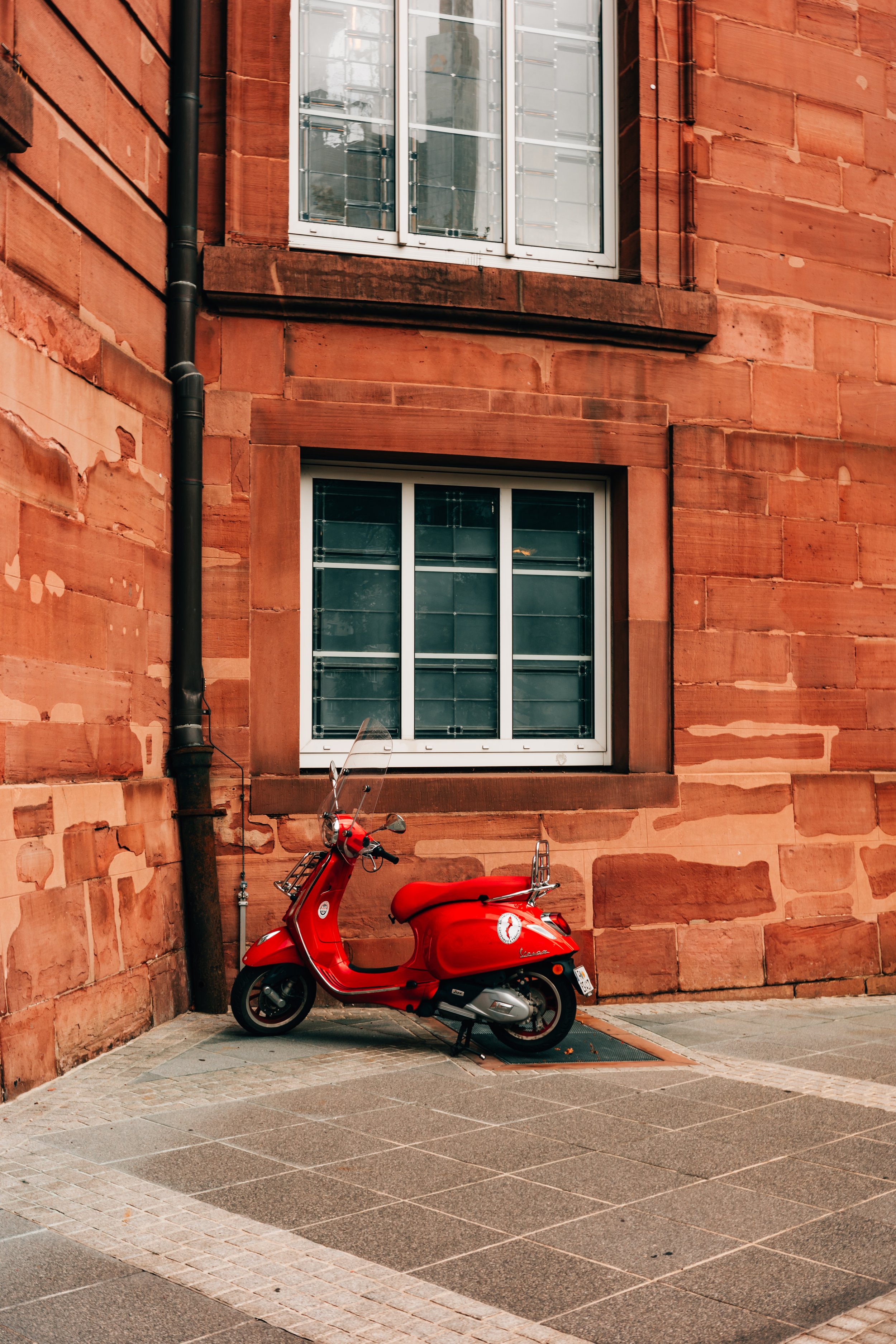
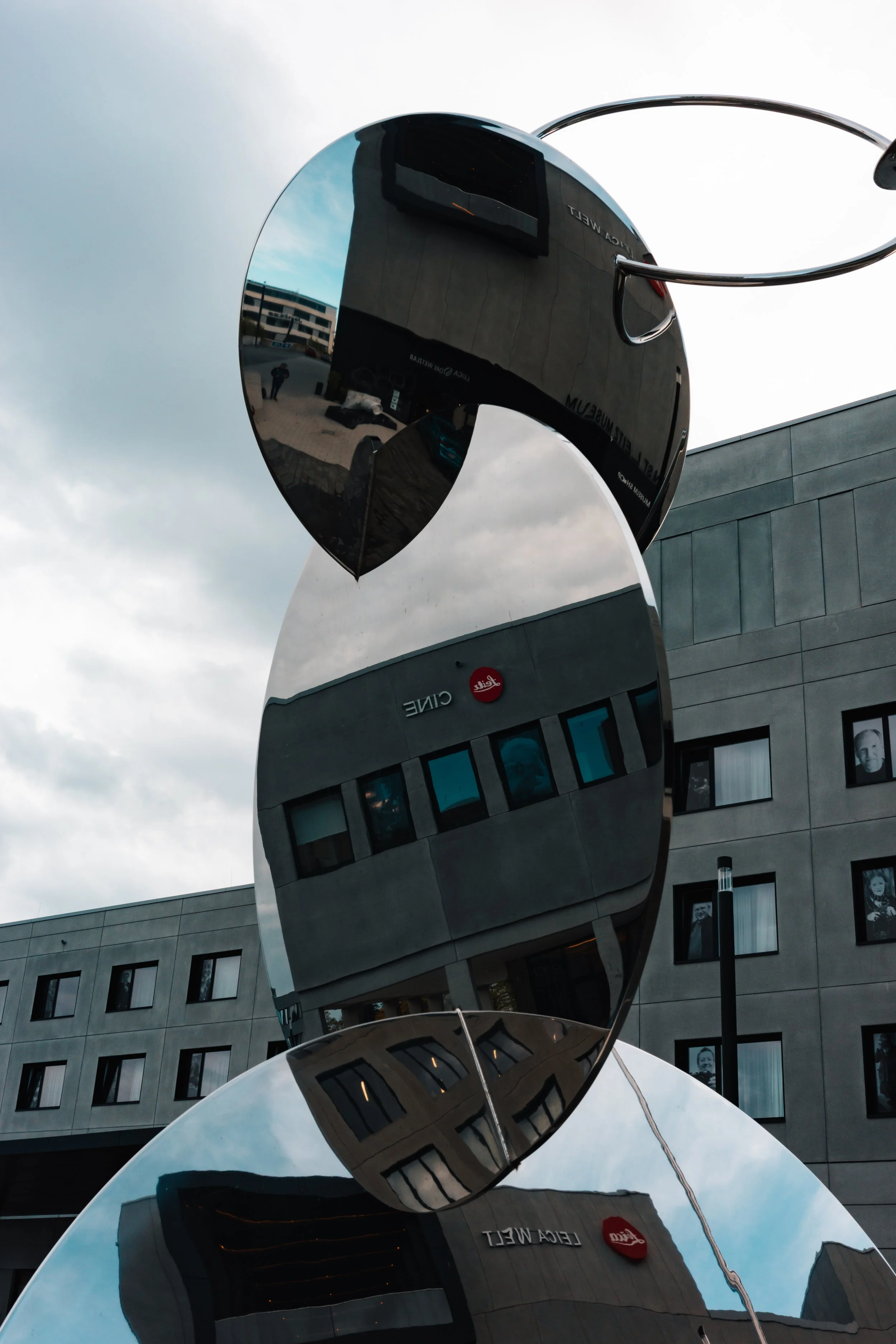
The Ricoh GRIIIx is one of those cameras that just has a great reputation. People love it with a fierceness that's hard to explain until you actually use one. I took it to Frankfurt for a few days and documented everything with it, to give you a proper sense of what it's like as an everyday carry camera.
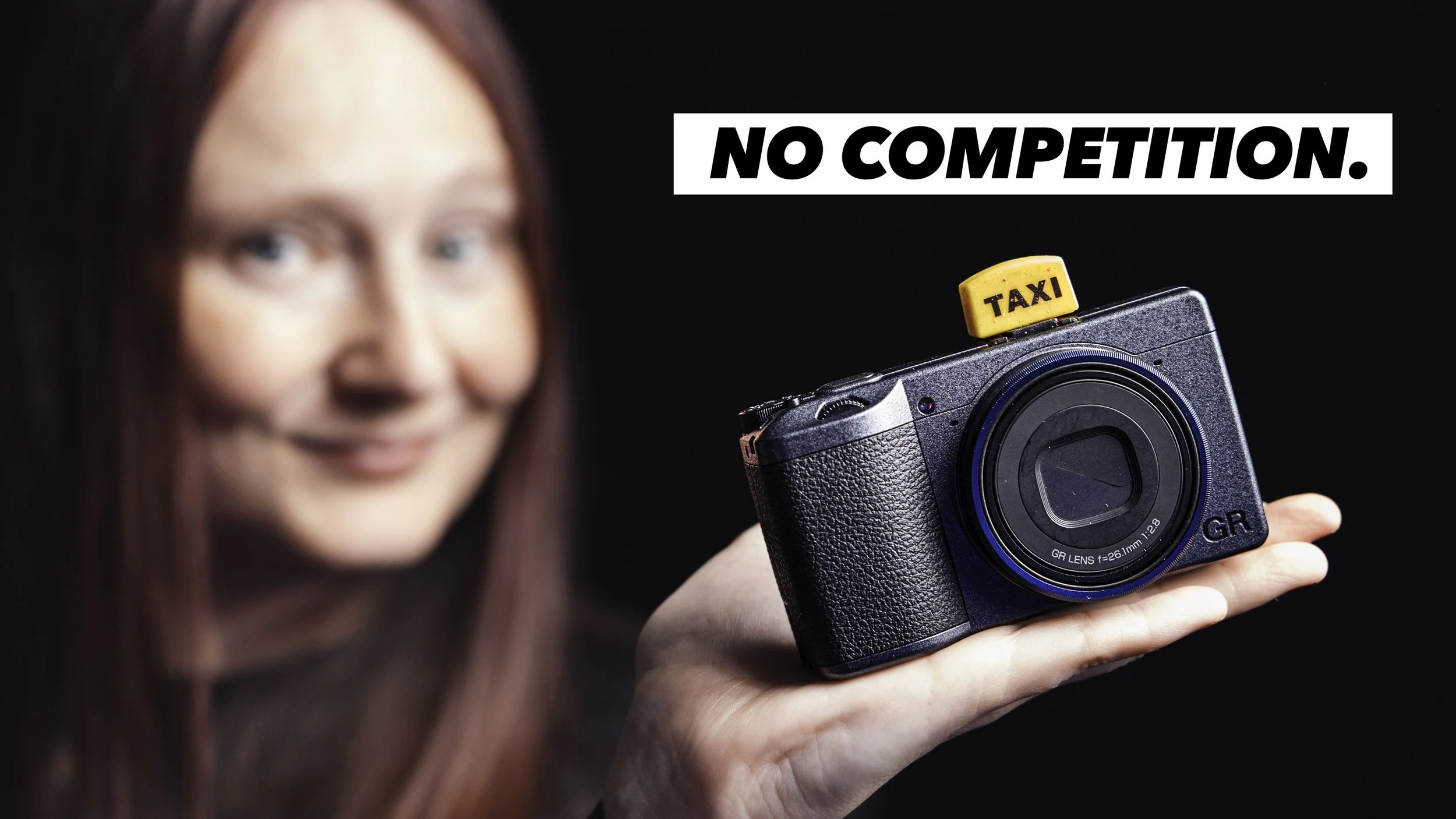
Pocketable? genuinely, yes
One of the main reasons this series of cameras is so beloved is that it is properly flat as well as small. That makes all the difference if you actually want to put a camera in your pocket rather than a bag. And when you factor in that this is an APS-C sensor camera, the form factor is even more impressive. There's also a decent little grip, so it doesn't feel like it's about to slip out of your hand the way a lot of “soap-bar-style” cameras do.
Of course, there are trade-offs to getting it this small. No viewfinder, no articulating screen. But you have the dials you need for a complete one-handed shooting experience, plus a few customisable function buttons (more on those in a bit).
Whether the lack of EVF and tilt screen is a dealbreaker is a very personal call. One thing worth knowing: this is a fixed 40mm equivalent lens, so once you've trained your eye to how it “sees” shooting from the hip becomes genuinely intuitive. It's probably my most-used focal length on micro four thirds too, and it maps quite closely to how we naturally see the world. It really is a sweet spot, so even in brighter conditions I could compose my shots well with the Ricoh.

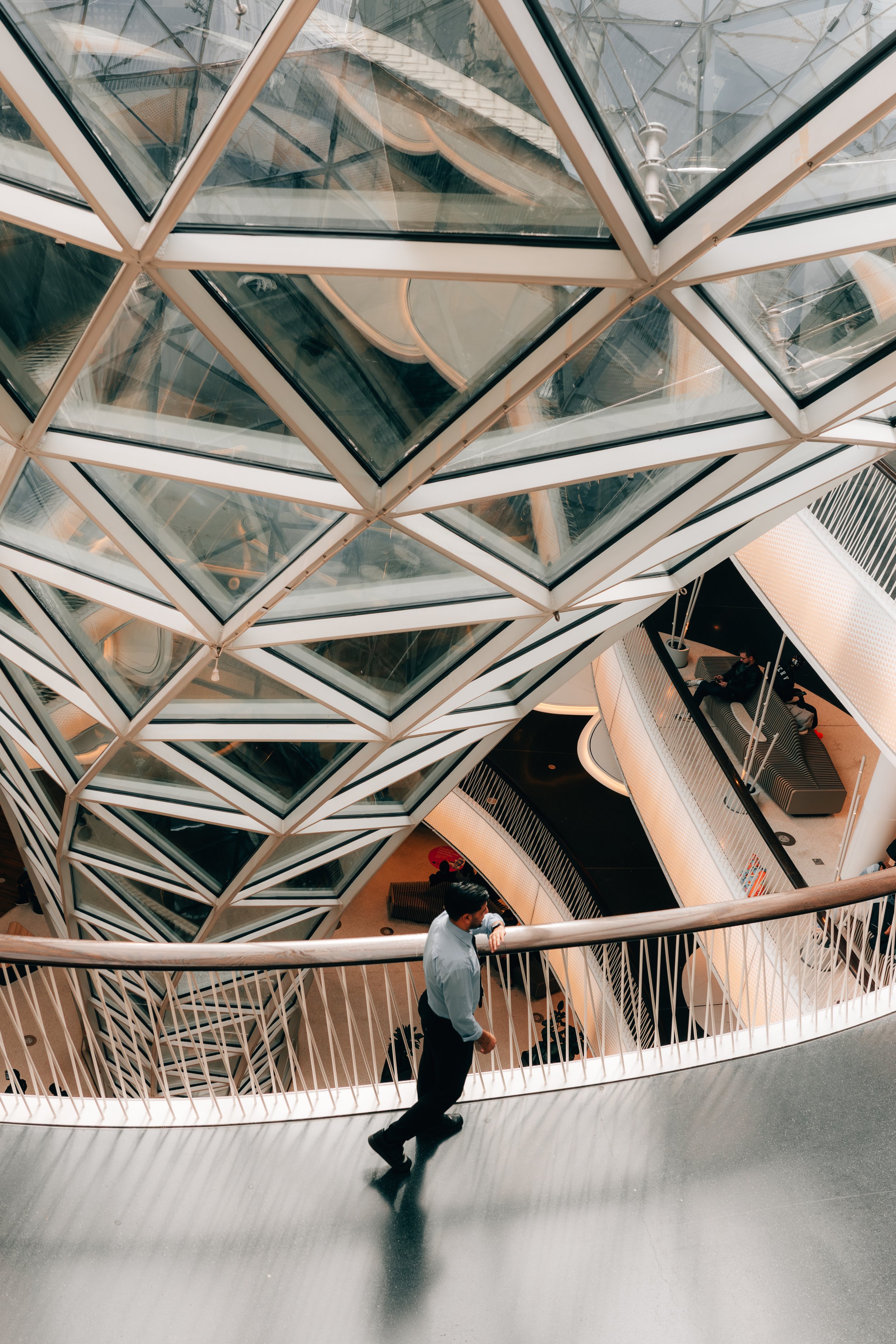
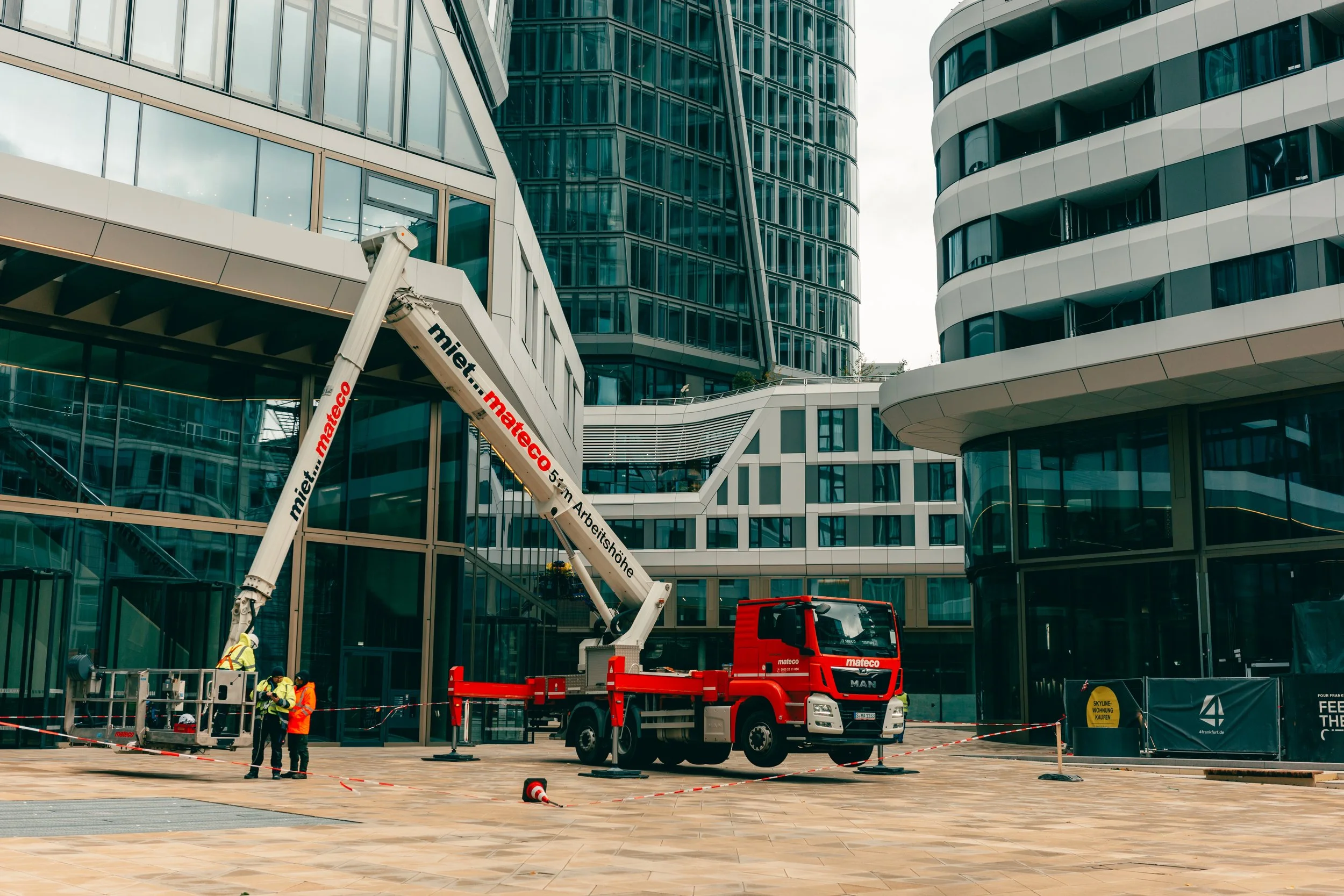
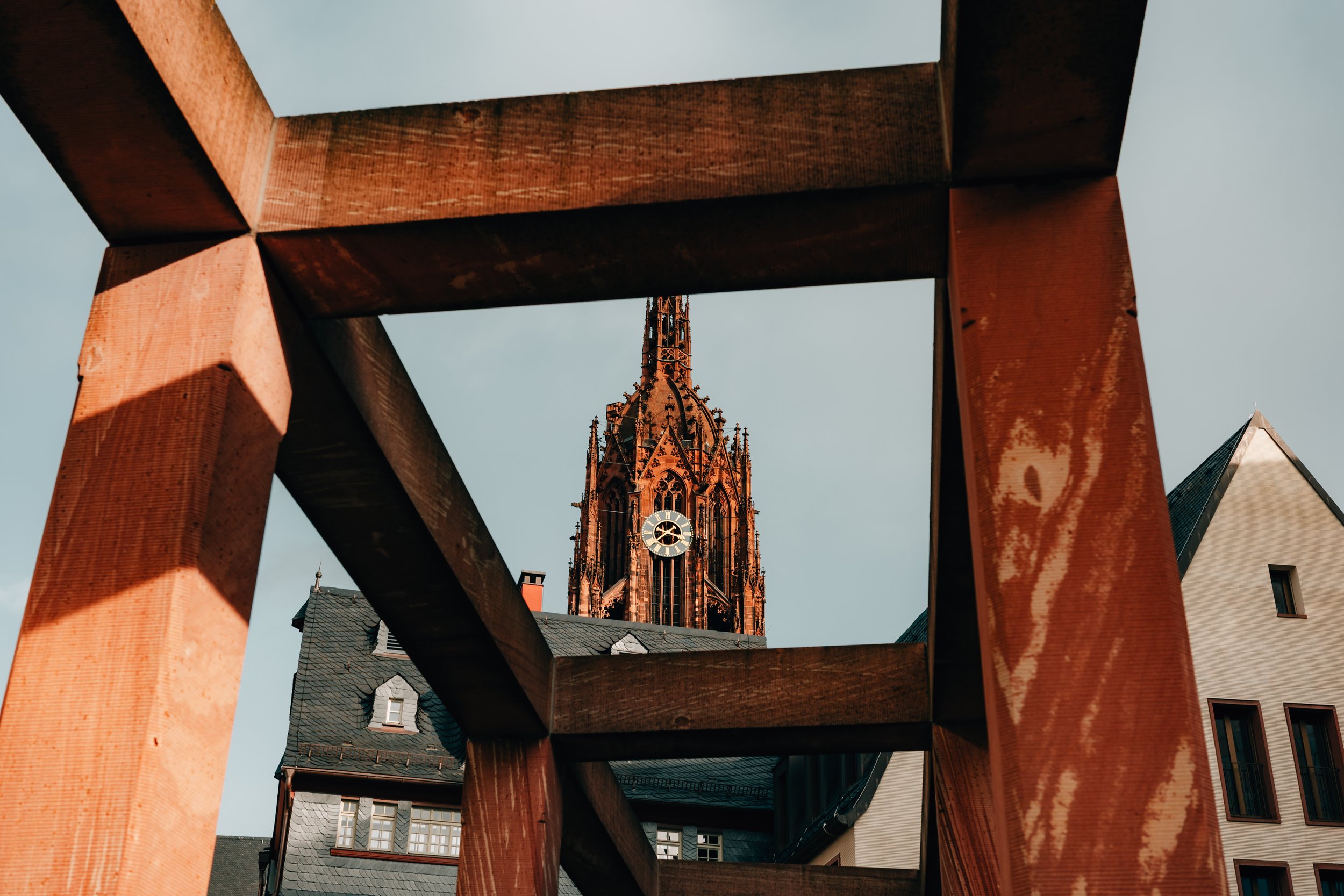
Customisable JPEGs (this is a big deal)
Here's the second reason so many people love this camera. We all know Fujifilm get the glory for film simulations, but Ricoh have some brilliant options too. I've been using a recipe called Reggie's Portra for Ricoh that I found online, and it's a great look straight out of camera. The monochrome settings are lovely too.
And if you prefer to shoot raw, the files have loads of detail and dynamic range to pull back in editing. So you really do get the best of both worlds: something dialled in and ready to go for day-to-day shooting, with all the flexibility of raw if you want to get into it later.
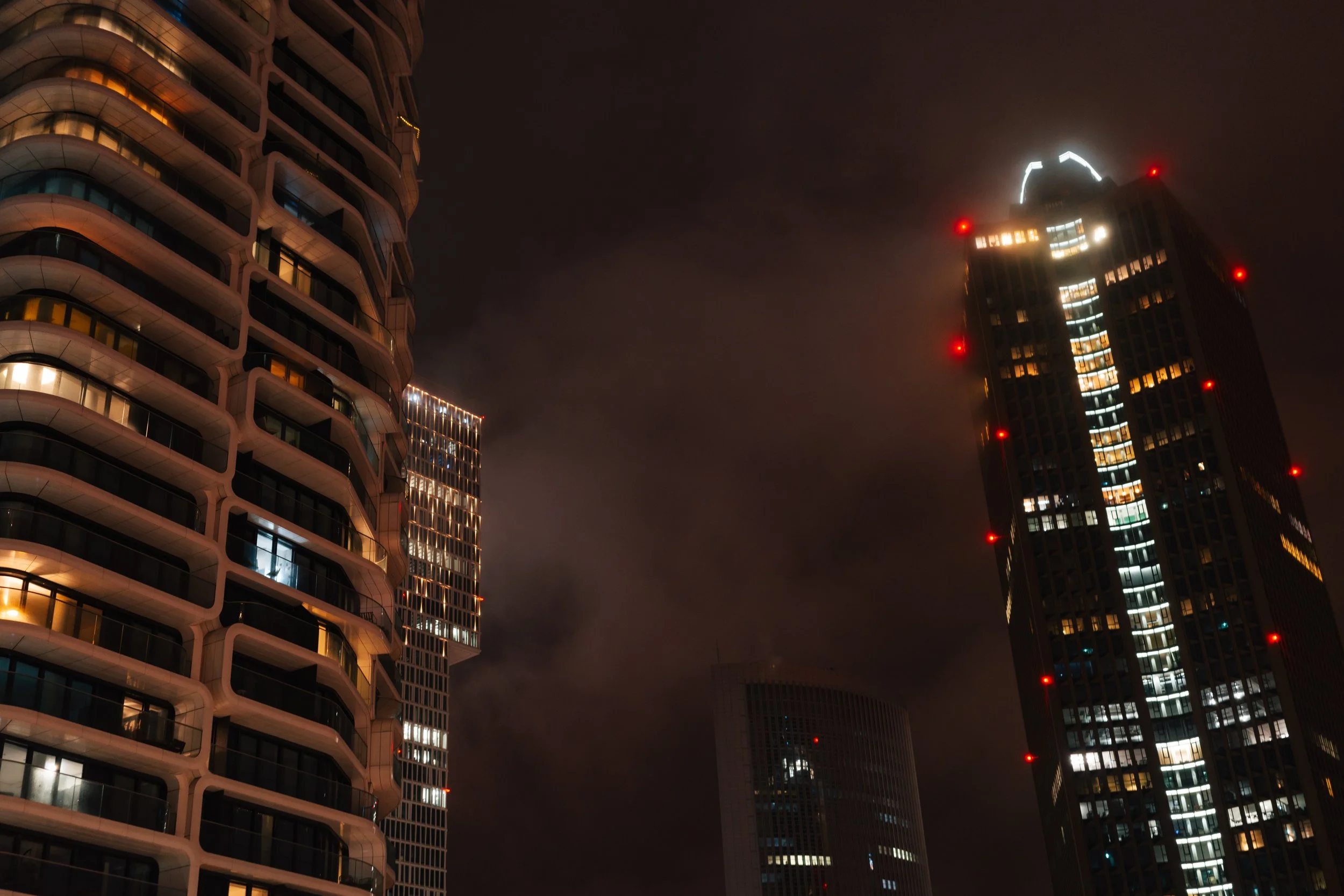
But… just a word of caution. I’ve personally found the low light capability of this line of cameras to be a bit lacking. The Fujifilm APS-C and Sony APS-C (and even micro four thirds!) have better low light performance in my experience. But with modern noise reduction software it isn’t the end of the world. Just don’t buy this camera because of the big sensor. It really ain’t all that.
ND filters and IBIS: a dream combo
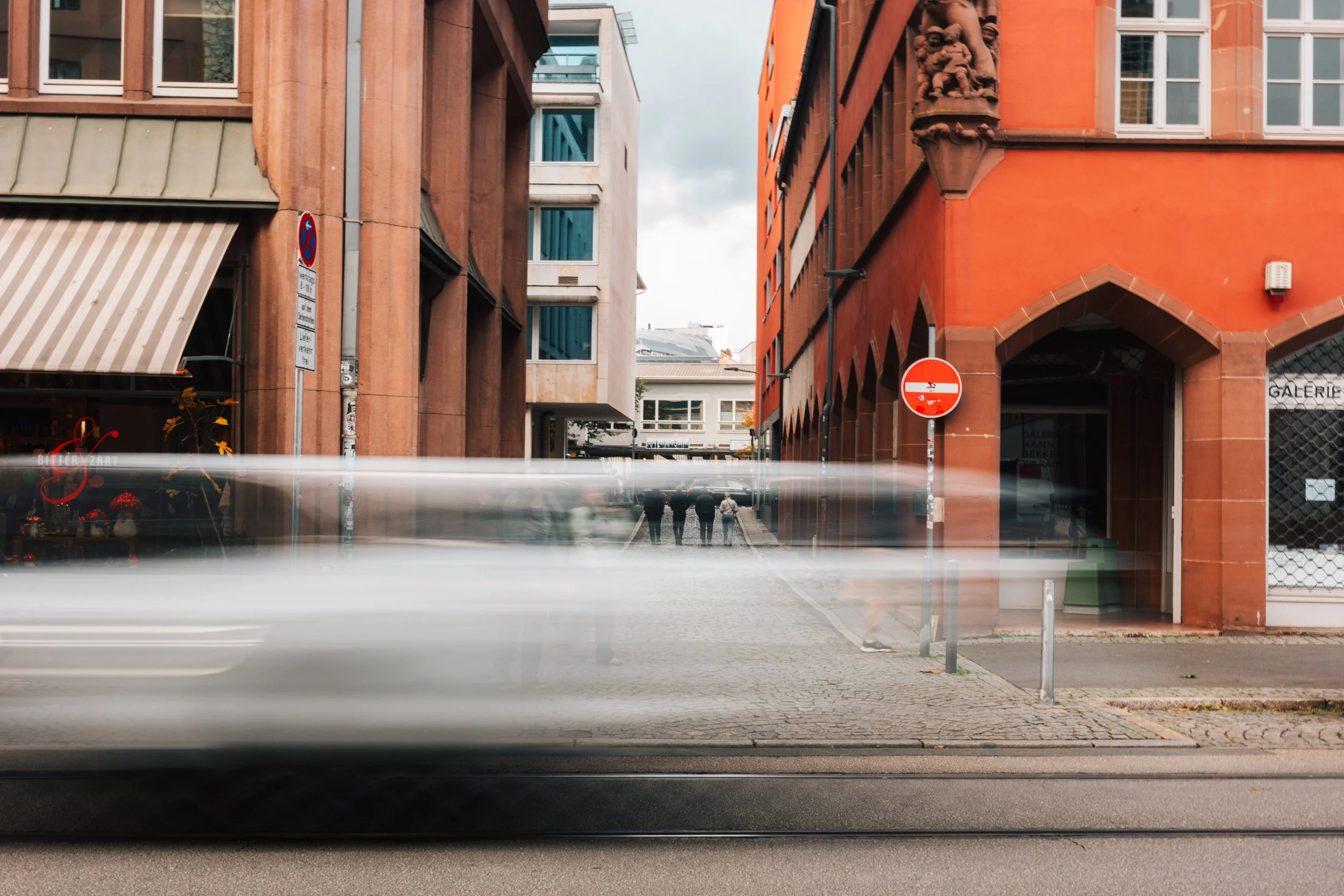
This camera has two features that are genuinely brilliant for daytime long exposure photography: built-in ND filters and solid IBIS. You can get slow shutter shots in broad daylight really easily, without needing to carry extra kit. The IBIS is also useful at night if you want to lower your shutter speed and keep noise down… and you will. Because it ain’t great in low light lol. Lovely stuff to see in such a small camera.
Instant power-on
This sounds like a small thing, but it is so handy! The Ricoh GRIIIX powers on almost instantly. Compared to something like the Lumix S9 (which can take a few seconds to wake up) this camera is just ready when you need it. In a new city, around unpredictable moments, those few seconds really can cost you the shot. So yay for Ricoh on this one.
Things I'm less keen on
Right, let's talk about the downsides. I really wish this camera were weather sealed. That's probably my biggest gripe. And the fixed lens is known to be a bit of a dust magnet over time.
Autofocus is clunky a lot of the time, though there's a genuinely useful feature called Snap Focus that helps. You assign a focus distance (infinity for landscapes, 3m or 5m for closer subjects for example), and then at the press of a button the camera snaps to that distance instantly. It's great for getting the camera in the right ballpark quickly, especially when the AF wants to lock onto something in the foreground and you want the background instead.
No built-in flash. That’s just rude, to be honest. Usually I don't mind, but with this style of candid, lifestyle-type camera I think a built-in flash could really lean into those fun, spontaneous shots. There is a hotshoe if you want to add a little external flashgun, so it's not the end of the world.

Battery life is limited, unsurprisingly given the size of the camera versus the sensor inside. I'd buy at least two spares if this were mine, or, rely on USB-C. On this trip I charged it via USB-C from a power bank in my bag between locations, which worked fine.
You need to buy a separate accessory to attach filters to the lens. It doesn't come in the box. I know there are built-in NDs, but if you want to experiment with mist filters or even just add a UV filter (which is genuinely useful on this style of camera, as dust can creep into the lens mechanism over time), you have to buy the adapter separately. For a camera at this price point, I just think that's just a bit cheeky. I said the same thing about the Fujifilm X100VI.
Noise at higher ISOs, as I’ve mentioned, is a little more pronounced than I expected from an APS-C camera. I honestly don't see a huge advantage over a modern micro four thirds body there, though the dynamic range in the raw files is excellent.
The price situation of the Ricoh GRIIIX
There's now a Ricoh GRIV on the market with some updates (internal storage, a redesigned lens, improved IBIS), so you'd hope the used price on the GRIIIx had come down a bit. Unfortunately it's still a pricey camera on the used market, and I think that comes down to one simple thing: there's just not much competition. There aren't many alternatives that offer what this camera offers, so demand stays high and prices stay firm.
The flip side is that if you try it and it doesn't work for you, you can sell it without losing much. It holds its value really well. Pros and cons, as ever.


Conclusion… is the Ricoh the one for you?
The Ricoh GRIIIx deserves its reputation, I think. It's genuinely one of the most enjoyable cameras I’ve tested over the years. The pocketability is real, the JPEG rendering is lovely, and the instant-on speed makes it a camera you actually reach for.
The lack of weather sealing and the autofocus quirks are real limitations, and the price is steep. But for what it is, there really isn't anything else quite like it on the market.
And, with the used prices looking to stay elevated for the forseeable, there’s little risk in trying it and selling it on again if it isn’t for you.
You could do that at MPB, by the way… check the prices here! MPB UK, MPB US, MPB EU