
The Yongnuo YN455: just because we can, doesn’t mean we should…
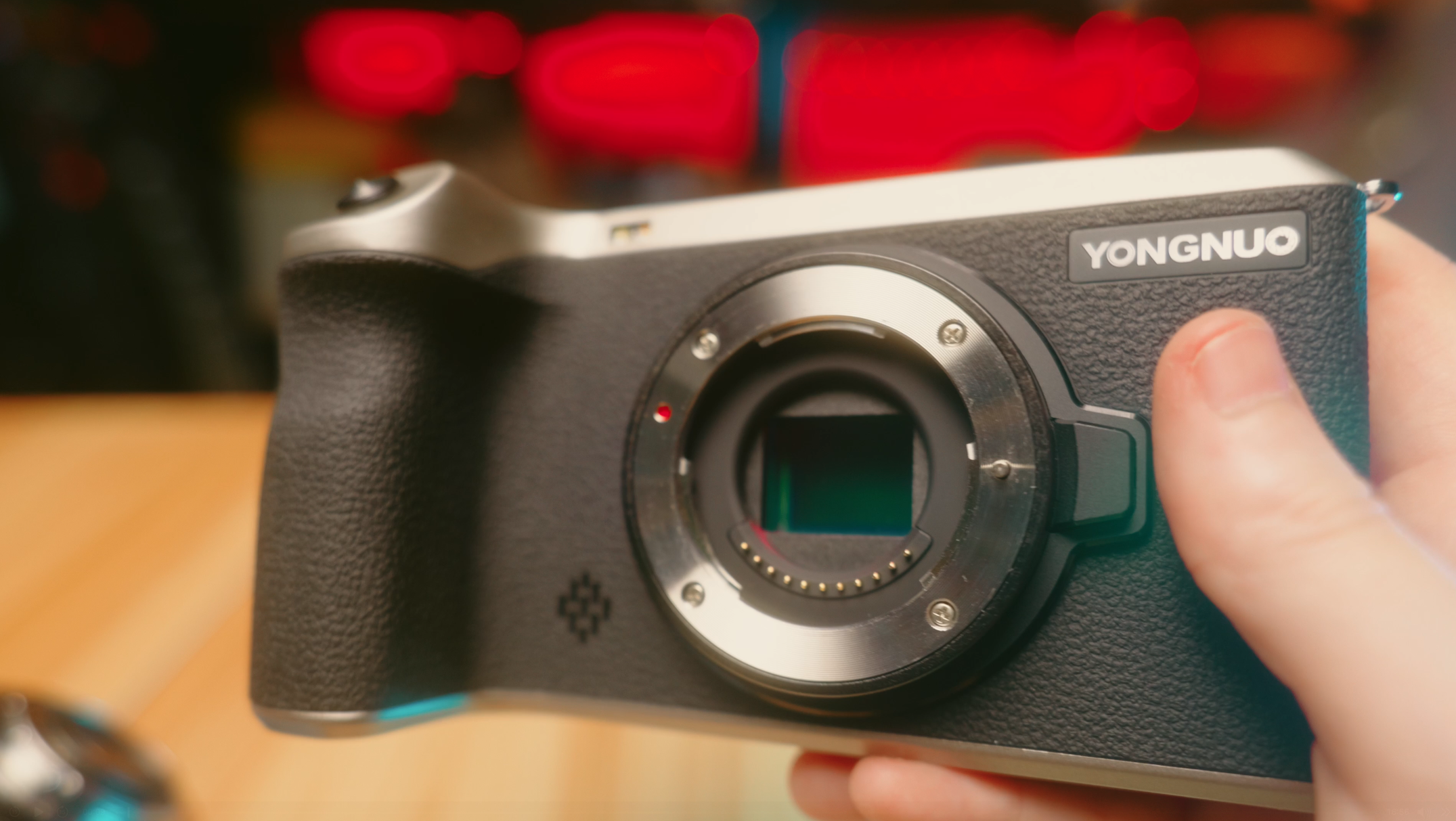
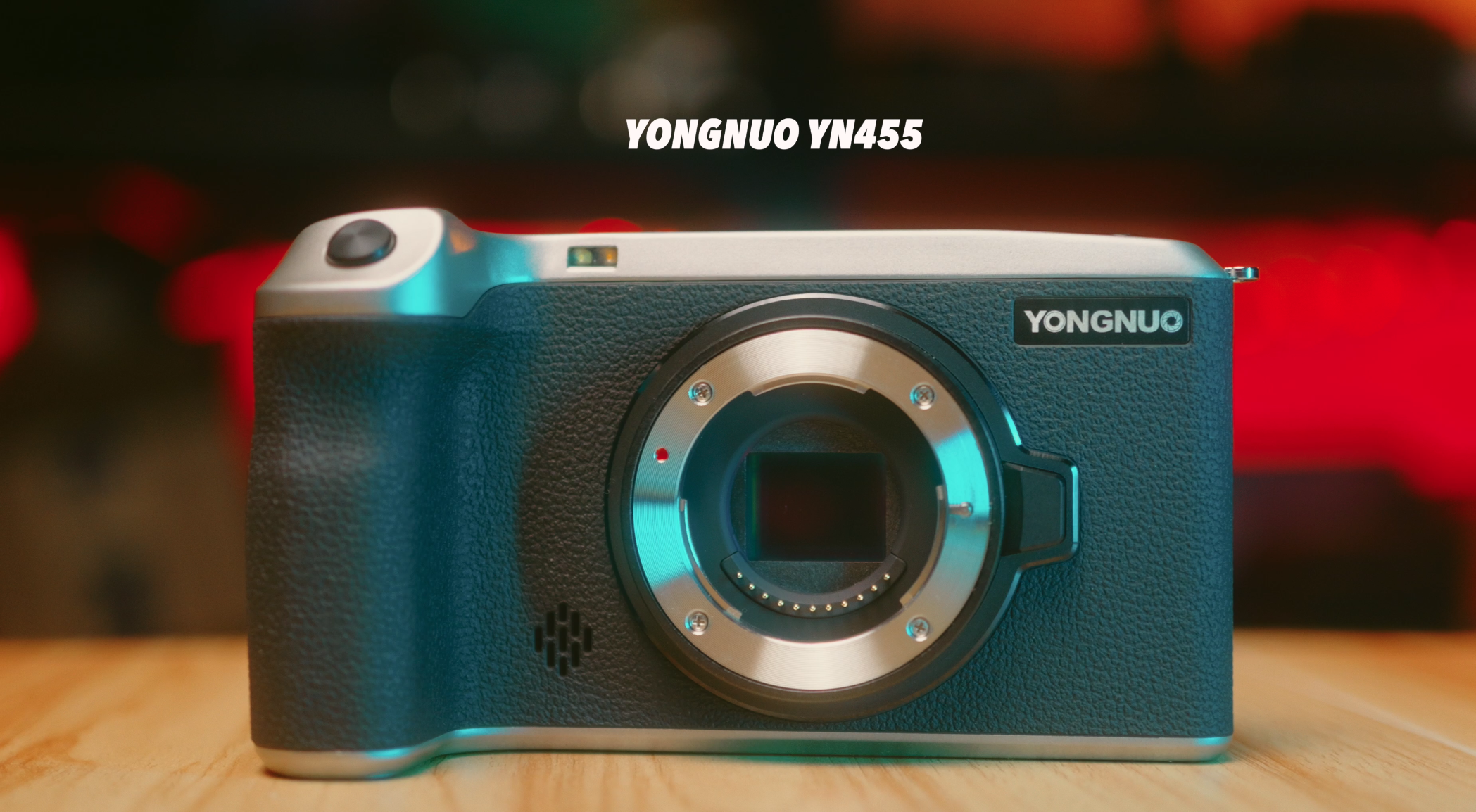
The Yongnuo YN455 is a micro four thirds camera with an Android phone attached to the back. This idea has been done quite a few times now, and never been too successful. Is this attempt any better? The YN455 was released July 2021. Can we learn from past mistakes this time?
Yongnuo YN455: what even is this thing?
There have been a few devices that attempt to marry a large-sensor camera with a smartphone: the Lumix CM1 with its 1" sensor and Leica lens, various Samsung experiments, and arguably things like the Alice camera and Olympus Air, or DXO One that need a phone to operate. The idea is compelling: shoot photos and video, edit on the “phone”, upload to socials, all in one device. Sounds great, in theory….
The build and specs (the good bit)
The build quality is genuinely brilliant. Lovely device, if a bit massive.
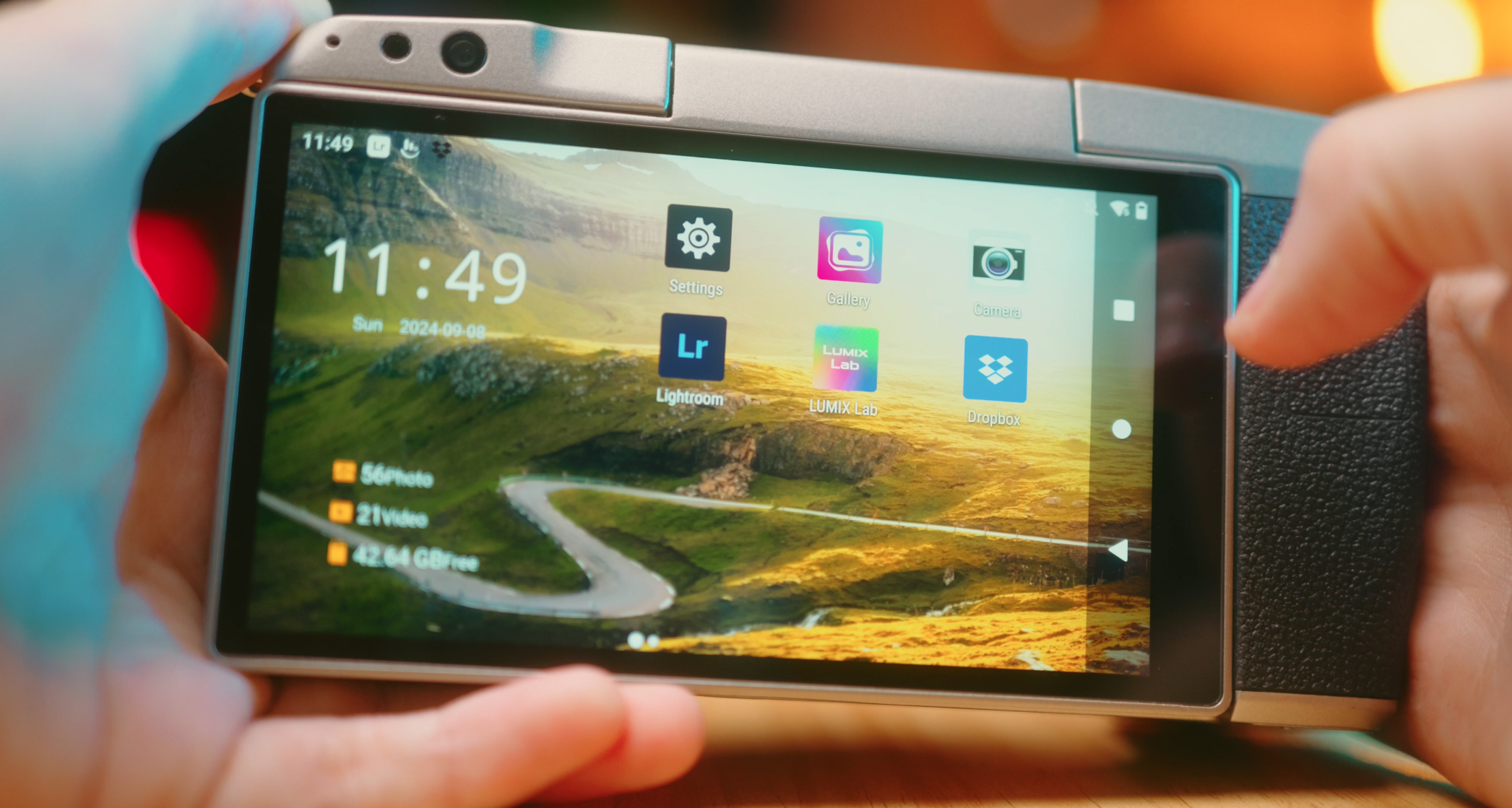
The back flippy screen is huge at 5.3 inches and a really nice monitoring experience when shooting. It is also absolutely hench: 40 grams heavier than the OM System OM-1, which makes it feel like a proper unit in the hand.
On paper, the specs are impressive. There's a SIM card slot, so you can upload content or live stream from anywhere you can get a signal. 64GB internal storage plus a microSD slot. A headphone jack AND a mic input. Autofocus (yes, really, but contrast based of course), and even a removable battery.
The YN455 runs Android 10, which means it can run Lightroom, Capcut, Lumix Lab, Filmic Pro, and pretty much any photo or video editing app you throw at it. It can connect directly to social media for straight-from-device uploads.
On paper? So much is done right here. It shows genuine thought.
In practice (the complicated bit)
Here's where the headaches start. Because it's trying to be so many things simultaneously, it stumbles in a lot of places. Like, a lot.
The 20 megapixel micro four thirds sensor is great, but the full resolution is only available in the default camera app. Every other app is capped at 16MP.
The 4K video is there, but there's no stabilisation to speak of and the rolling shutter is truly atrocious. I may go so far as to say it’s unusable unless on a tripod.
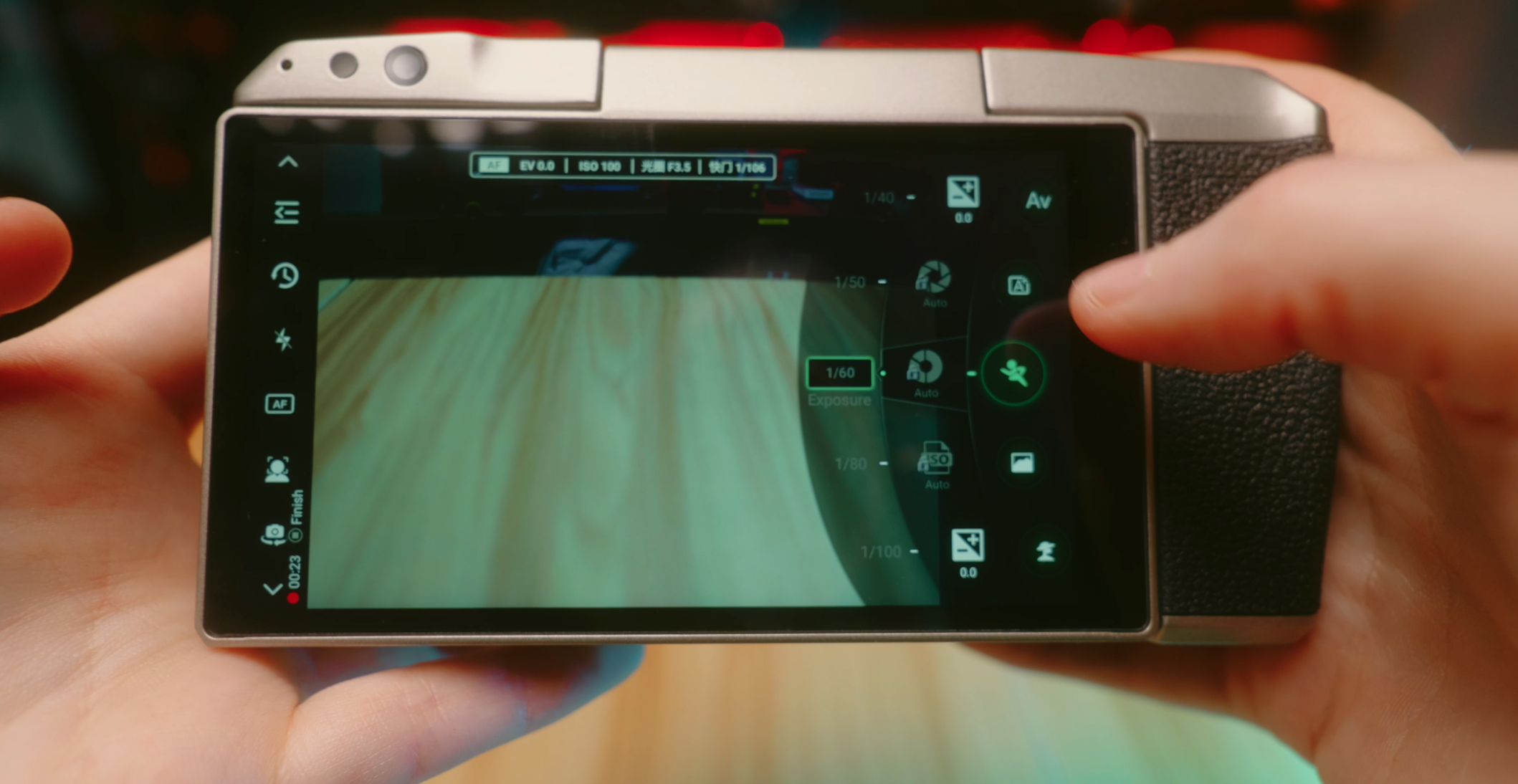
The lovely physical shutter button doesn't work to start video recording in the default app, and doesn't trigger natively in apps like Instagram, so you’re left poking the screen half the time anyway.
The autofocus is present. That’s about all I can say lol. Is it the best autofocus I've ever used? No. Is it the worst? Possibly. But points for trying.
There's no focus peaking in the default app, so for video you're better off in Filmic Pro, and for photos ProShot is better (except Pro Shot only shoots at 16MP and doesn't support raw. There is an unnecessarily complicated drawback to every app!)
Then the default app and Lightroom shoot raw but have no focus peaking. GAAH! As for timelapse, every single app I tried gave me corrupted files. Every one.
At some point during testing, I realised my phone can take timelapses, shoot raw, record stabilised video, stream from anywhere, and the autofocus is very good. And it's foldable so I can use it as a stand. So. Yeah. Maybe I should just use my phone?
Where the Yongnuo YN455 sort of works
Battery life is genuinely impressive, and sleep mode is quick to get back in and out of, which makes it convenient for a day out shooting.
For live streaming specifically, this camera makes a lot of sense: stable, good sound quality, built-in connectivity. Of course there are a million other devices you can live stream with, but the micro four thirds sensor size is a legitimate advantage if image quality matters to you in that context.
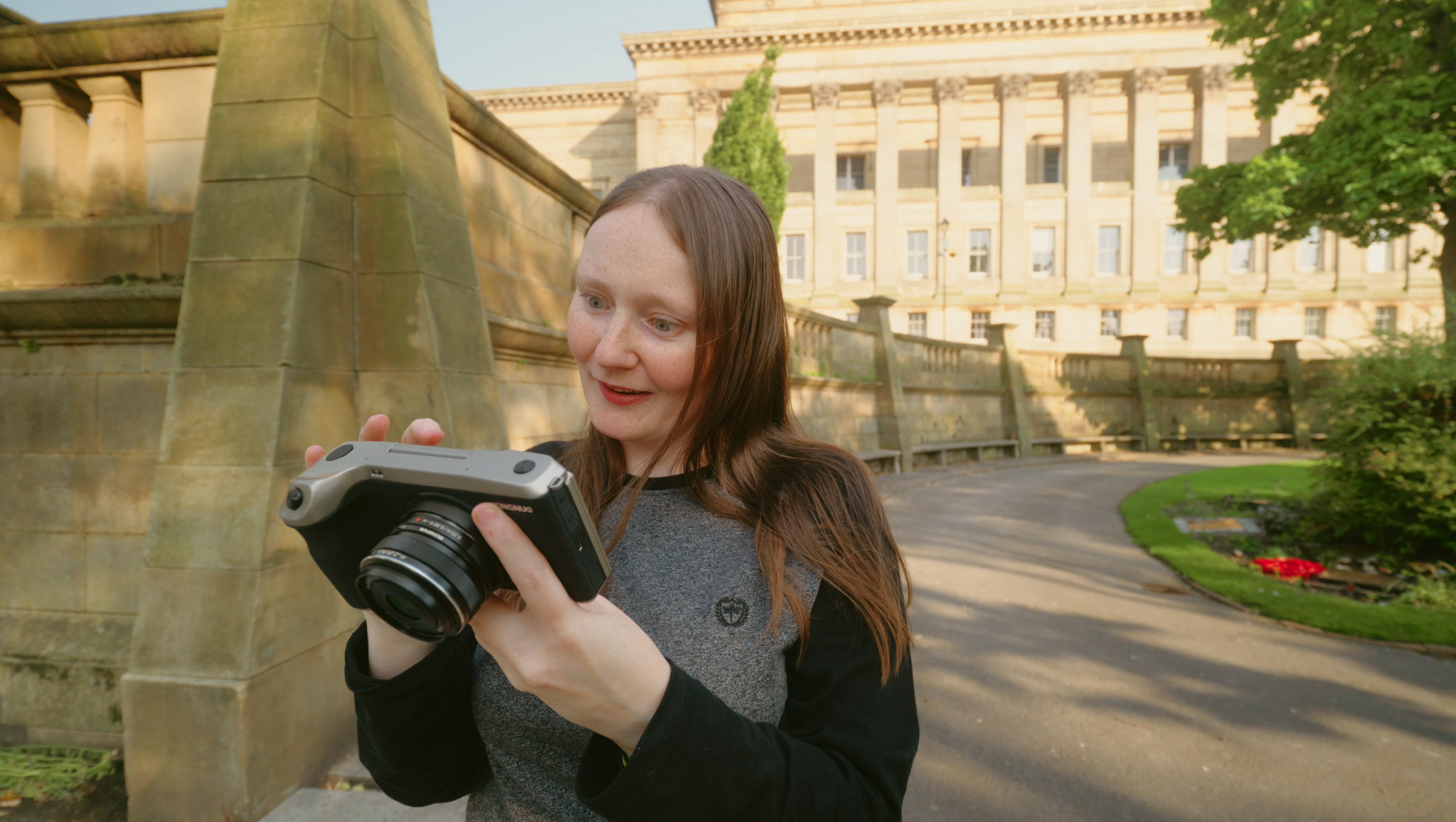
For still photography, it's kind of fun in a chaotic way. It’s bulky, and you spend half your time buried in various apps. The AF is hit and miss, and the rolling shutter shows outright ruins some images, but I got a few shots I genuinely liked.
The 5.3" screen for reviewing images and editing in Lightroom right there on the device is a pretty nice experience, even if holding a brick to edit is a little clunky.
One more thing: Yongnuo also make micro four thirds lenses, which I didn't realise until recently. The 17mm f1.7 and 42.5mm seem like decent quality, nice and light. Worth knowing if you're building a budget MFT kit. They’re plastic fantastic but that isn’t really a bad thing if size and weight are your priority.
Check out the used market here at MPB for more conventional (and less headache-inducing) micro four thirds options!
MPB UK | MPB US | MPB EU
The verdict
Even in a camera from 2021, this is still premature concept unfortunately. There are just not enough compatibilities between the micro four thirds sensor and Android to make this smooth enough.
I live in hope, because I love a strange and quirky camera. A few generations down the road, with better app support and the software issues ironed out, this concept could be something really interesting. But would I buy one now? No. Would I be excited to see where it goes? Yes, genuinely.