The Panasonic TZ300 is Here! Is this the best tiny travel camera of 2026?
The Panasonic TZ300 has loads of great features for the price, with some relatively significant upgrades from the older TZ200. I’ve had some hands-on experience with this camera now, and have some thoughts.
What’s new? And is this the camera for you? Let’s find out!
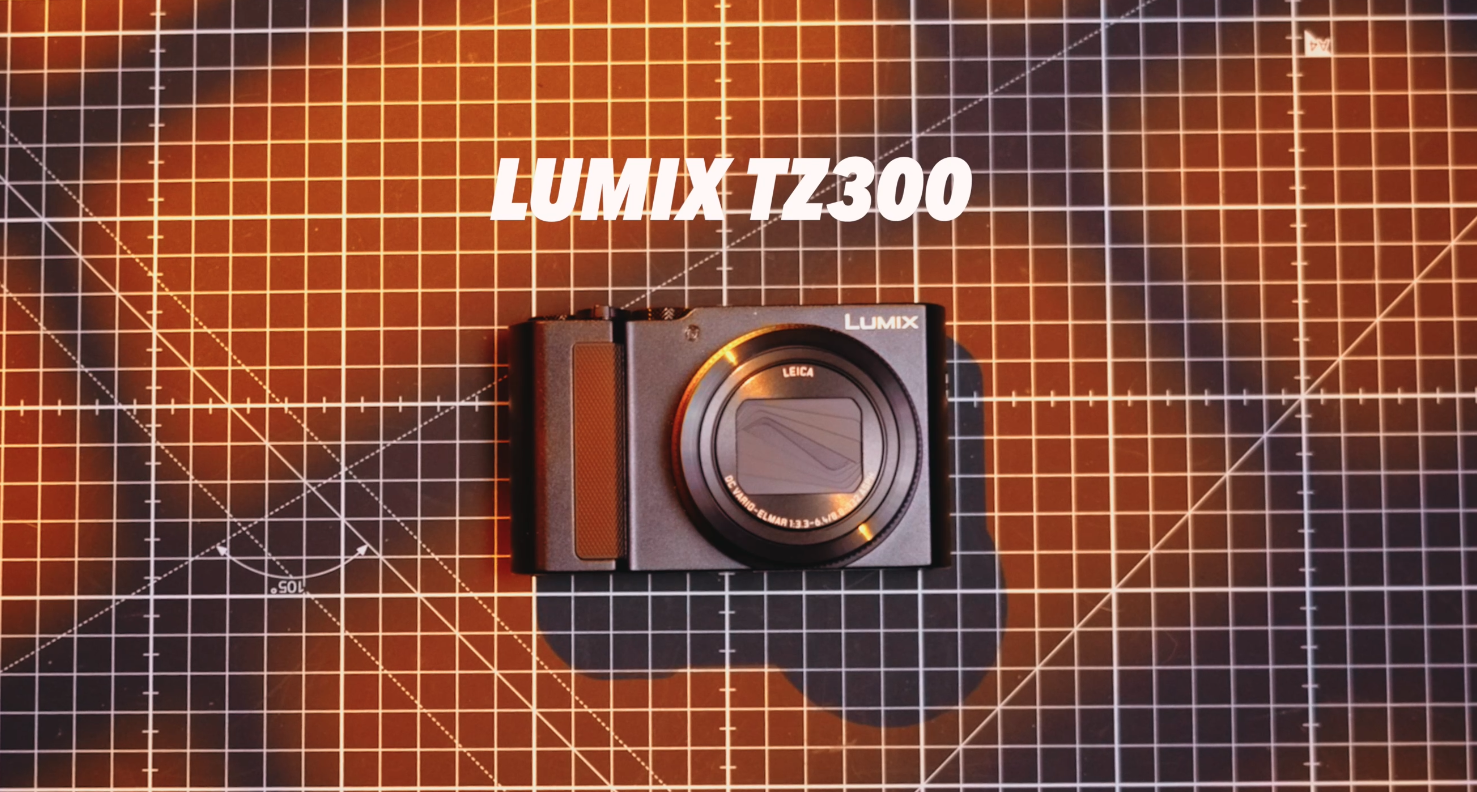
Where does the Lumix TZ300 sit in the Lumix lineup?
If you’re unfamiliar with Panasonic’s premium compact range, here’s a quick primer.
At the bottom of the range, you have the likes of the Panasonic TZ99, which prioritises zoom above everything else… all 640mm of it. I was not shy about saying how much I disliked that camera. The sensor is tiny, the aperture is stingy, and I just... I’m really not a fan. I’m sorry! But it sells like hotcakes worldwide, so what the heck do I know?
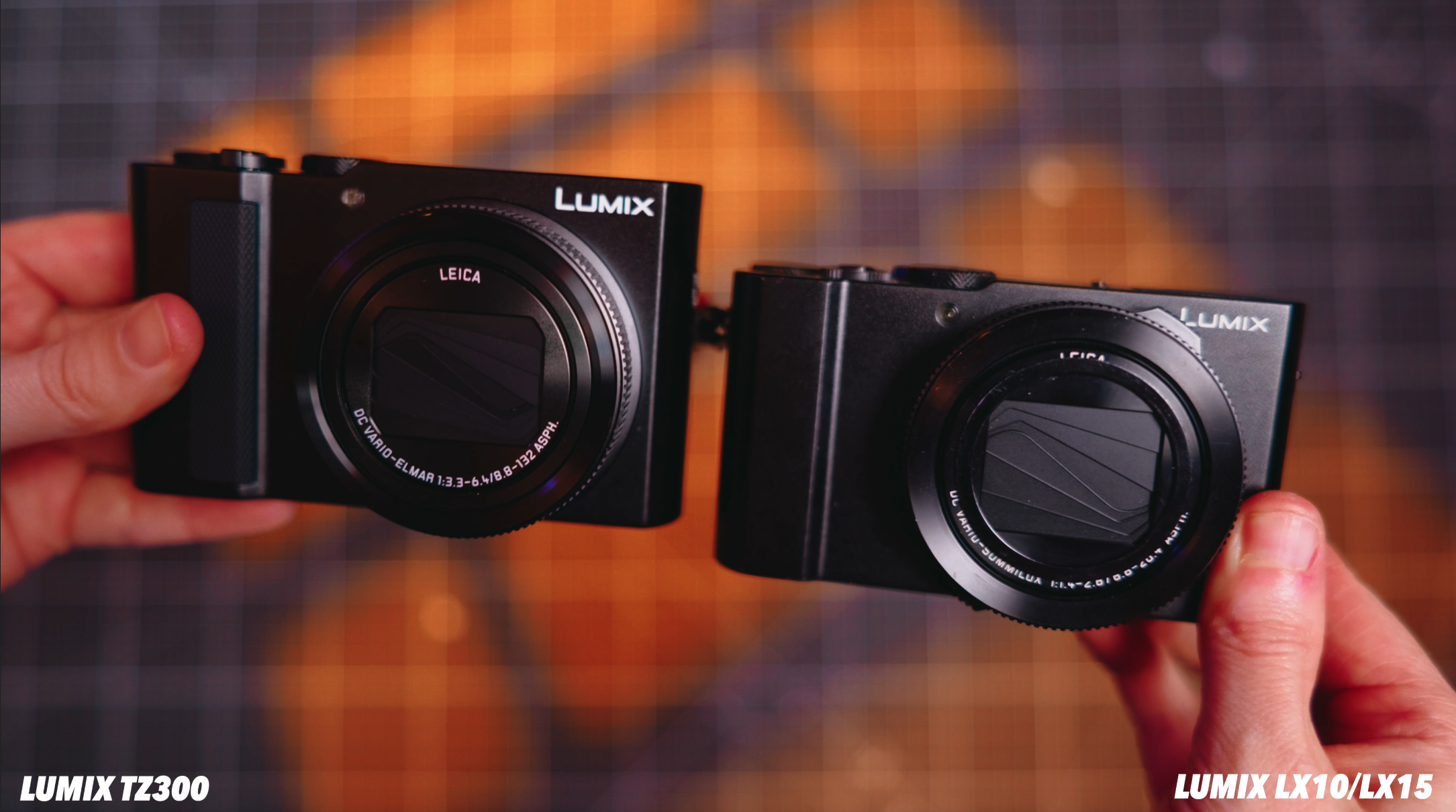
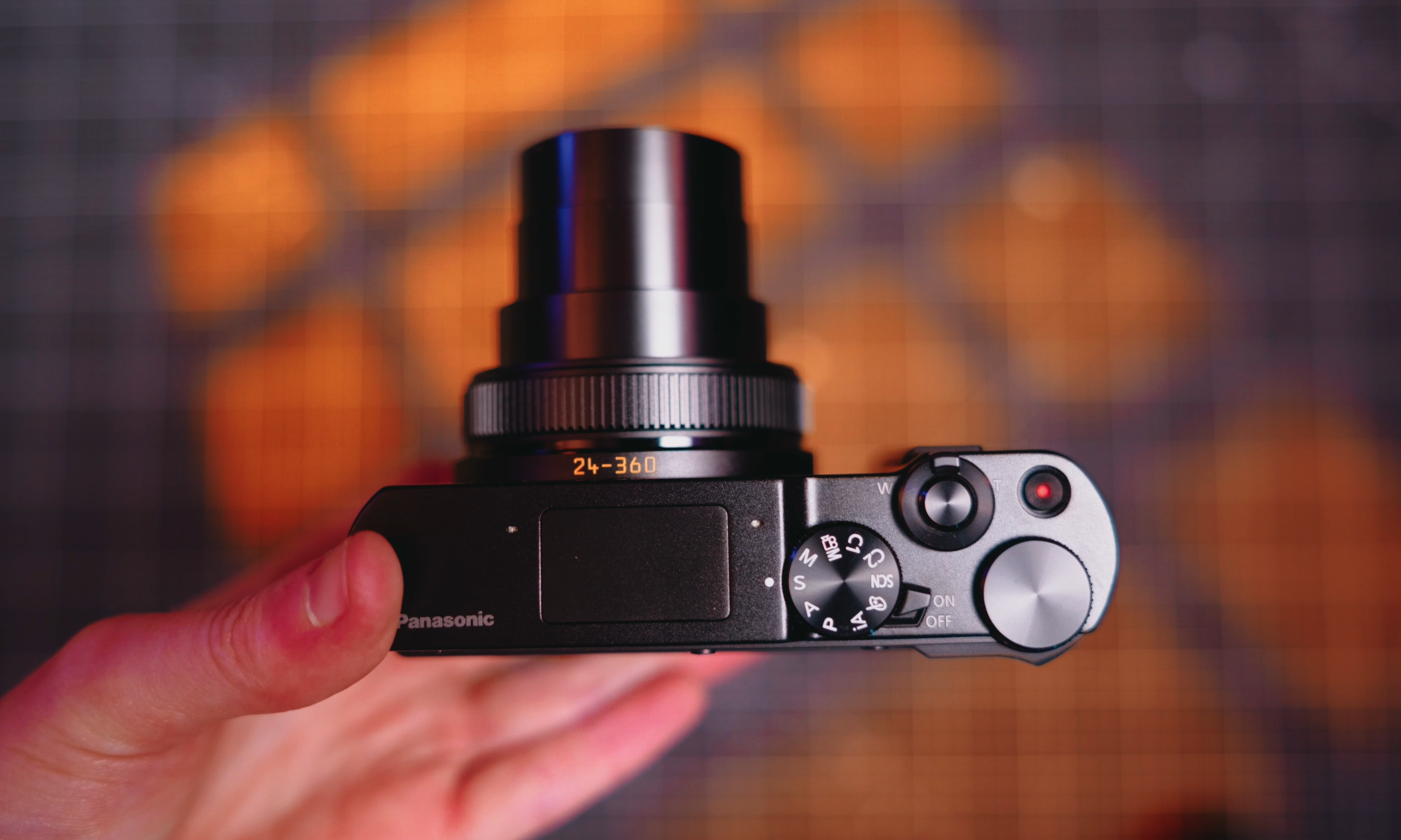
The top-end cameras then split into two branches. You have the Lumix LX10/LX15, which has a 1-inch sensor and a super Leica-branded f1.4-2.8 lens, but very little zoom. Just a 24-72mm equivalent (3x in compact camera language). Then you have the TZ200 — and now the TZ300 — which also has a 1-inch sensor, but instead offers much more zoom: a 24-360mm equivalent (15x!), with the trade-off being a slower f3.3-6.4 lens. So it’s really a question of what you value more: lens quality or zoom range.
The TZ300 is a brand new update from the TZ200, and it sits towards the top of the Lumix premium compact lineup. Good sensor. Plenty of zoom. Excellent.
What’s new with the TZ300… and what isn’t?
There’s a nice new backside-illuminated 20-megapixel 1-inch sensor, which on paper should be better in low light than both the TZ200 and LX15, since those older cameras aren’t BSI. The 5-axis hybrid stabilisation has had a boost too, and Panasonic claim you can now walk whilst filming the upgraded 4K footage. There’s example clips of me doing that in the video on my YouTube page, so you can see for yourself.
The stabilisation is VERY good? But I probably wouldn’t go so far as to walk with the camera. It certainly isn’t gimbal like. However it is more than good enough for handheld long exposures.
You also get an updated USB-C port for on-the-go charging, and slow-motion video has been bumped to 120fps HD (up from 60fps on the TZ200). Both welcome additions.
Now, the bad news. Much like the TZ99, Panasonic have decided to remove the EVF from this new model. Which... I hate. I’m so mad lol. At least the LX15 has an articulating screen! The TZ300 has no screen articulation AND now no EVF, which is a real negative on an otherwise lovely little refresh in my opinion.




So who is the Panasonic TZ300 for?
I think this camera sits in a really nice sweet spot. It’s great for anyone wanting a simple family camera with good zoom, but also for someone who wants to take their photography a bit more seriously. I love the image quality you can get from a 1-inch sensor, and the TZ300 is no different. It shoots raw, and there’s more dynamic range hidden in these files than you’d imagine.
I often take the LX15 into very low light situations and it always impresses me (that does have the better f1.4 aperture compared to f3.3 on this camera) but you should still expect image quality well above the TZ99 (shudder!!) and your phone for sure. With the added versatility of 15x zoom as well. It’s a lovely middle ground between zoom and image quality.
There are also 22 JPEG filters to play with if you fancy some straight-out-of-camera looks. My favourite, as always, is “Expressive”. And, as with all Lumix cameras, the menus are modern, simple, and very beginner-friendly. The autofocus on all these premium compacts is contrast-based, so it won’t set your world alight, but it’s more than enough for day-to-day shooting and sometimes even trickier things like concert photography. Speaking of which — this would make a cracking little smuggle-into-gigs camera with that extra zoom.
What about the price?
The Panasonic TZ300 is listed at £869 at launch, which is probably to be expected, though I of course wish it were a bit cheaper. It does beg the question: does this now make the TZ200 a bargain? Actually…. no. It’s one of those annoying older cameras that has retained its value; it still goes for around £700 used at the moment. So this style of camera is clearly filling a need in the market for the used prices to hold up so well, and it makes the new one look very well priced indeed. Shipping starts at the beginning of May.
Unless you absolutely want that EVF, I would opt for the newer version as the price isn’t that different from the previous model.
Would I use this camera personally?
It isn’t one I’d rush out to buy personally, but that’s simply because zoom doesn’t really interest me so much as a faster lens (which is why I’m constantly banging on about the LX15!! Come ON LUMIX, please update that one next!) Most of my photography happens at the 28-50mm range, which the LX15 more than covers, so I personally value the f1.4 lens on the LX15 over the additional zoom of the TZ300. But I am a camera nerd, quite obsessed with tiny cameras, and probably not the main use-case for this style of versatile camera.
I found the zoom actually really fun to play with as a novelty. You can get more intimate street photography photos without getting in people’s faces.
I do wish Lumix had put a bit more into this camera, like the Real Time LUT feature you’d find the likes of the Lumix S9. Having that sort of spec in this sort of form factor would have made this a MUST BUY for me. As it stands, it’s just a really solid little upgrade to a camera that was already good.
“Versatile” is the word I keep coming back to. The TZ300 is versatile, without compromising too much on image quality at all. So is this the best tiny travel camera of 2026? If you value zoom and still want excellent image quality from a pocketable camera, it might just be a great option. Watch my full video review for sample footage and more detail!