
7 things that matter more than the size of your blummin’ sensor
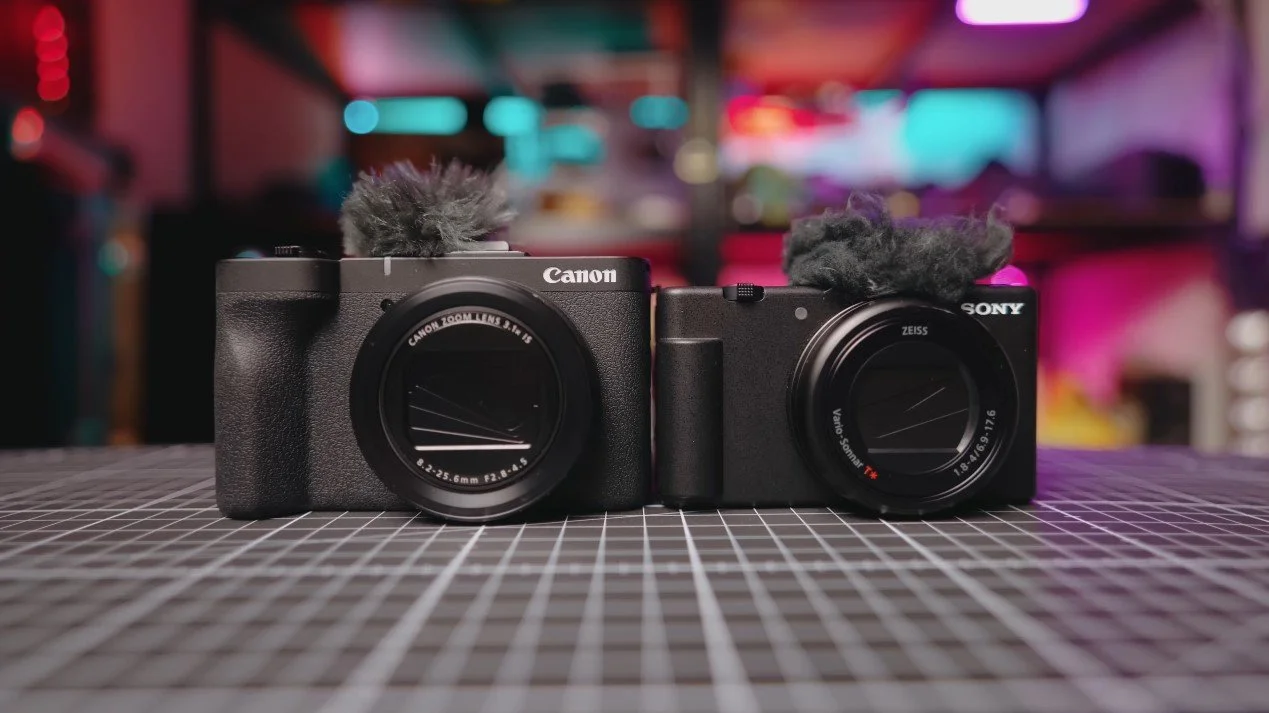
Let me tell you something that the camera industry does not particularly want you to know: the size of your sensor is probably the least interesting thing about your photography. And yet, it's the thing that gets talked about the most. Sensor size this, pixels that… it’s never-ending! Full frame vs micro four thirds! Cropped vs not cropped! It's everywhere.
I've been shooting with micro four thirds cameras for years now, and I'll die on this hill. So let's talk about the seven things that actually matter — the things that will genuinely improve your photos and your enjoyment of photography — and not one of them is sensor size.
1. Light
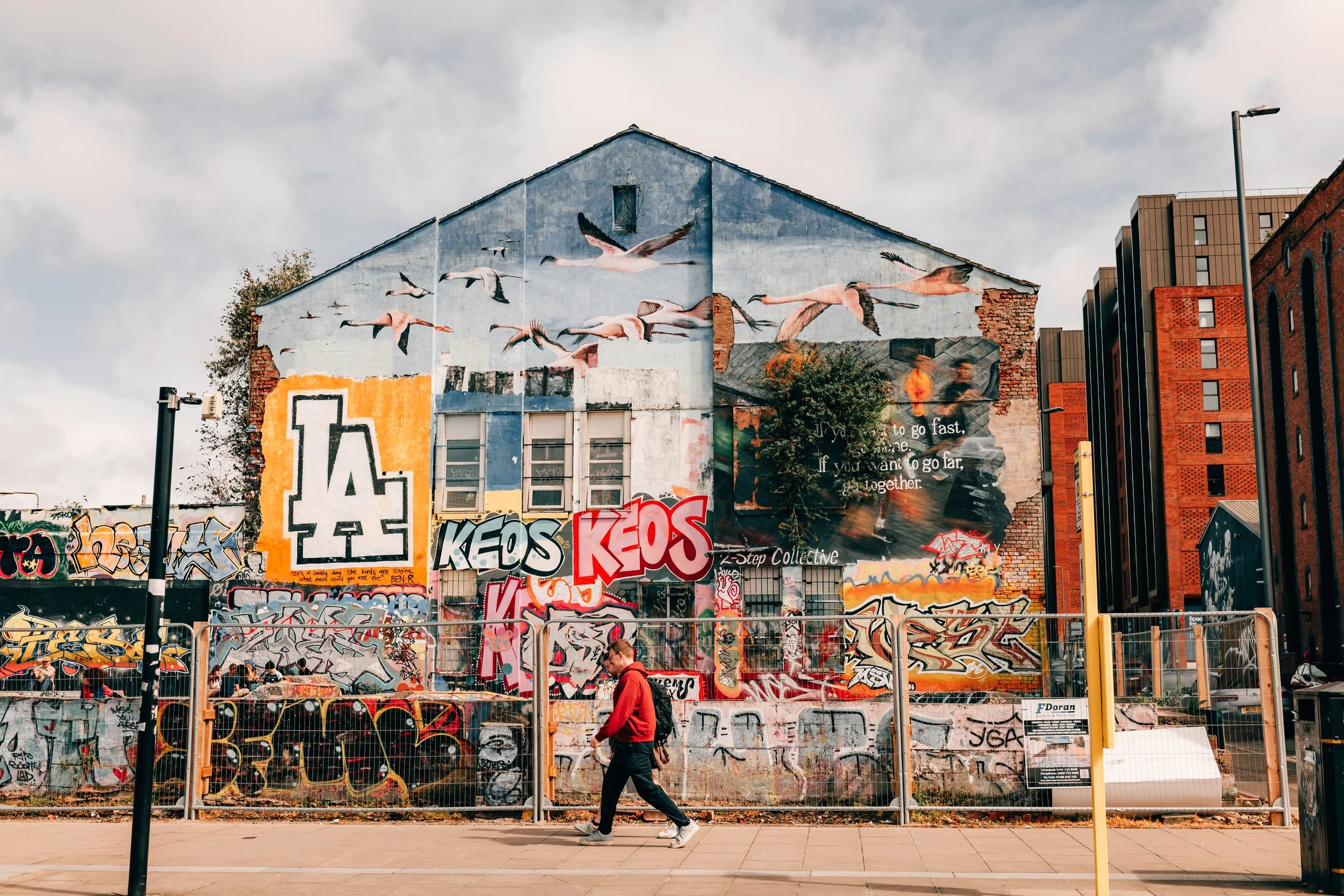
Bad light plus a big sensor still equals bad photos. That's just a fact. And here's the flip side of it: when you have good, beautiful light, you can take a stunning photograph on literally any camera.
You know those iPhone adverts where they've shot a short film on an iPhone? It isn't really the iPhone making those images look incredible. It's the professional lighting, the set design, the composition. The sensor is basically the least important part of the puzzle. So much photography marketing hammers the sensor angle because it sells cameras. But it has very little to do with the final result.
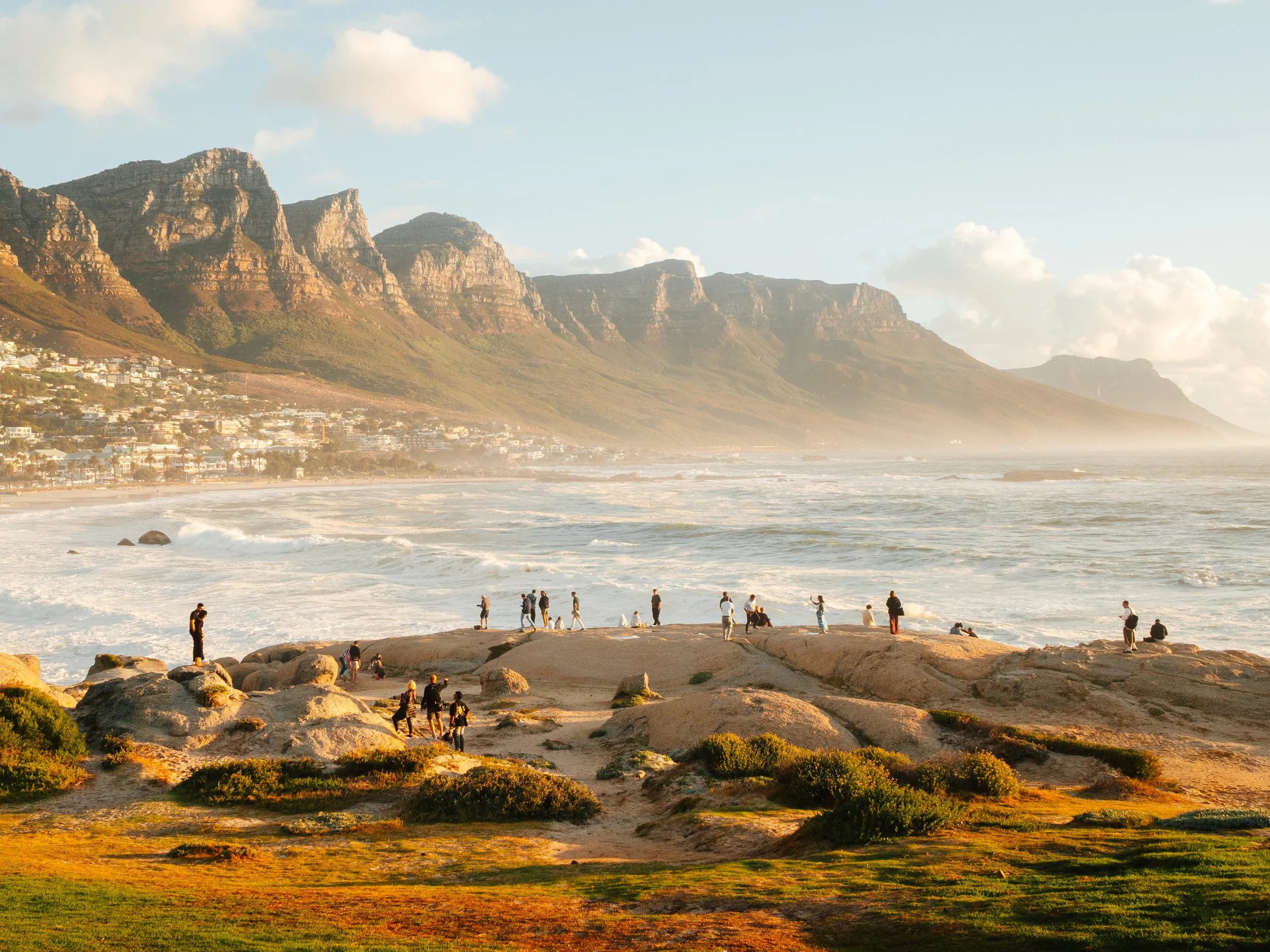
taken on the cheap and lovely Olympus EP-L9
2. The Lens You're Using
I know that buying a new camera body is very exciting, probably more exciting than buying a new lens, if we're honest, but the lens has a far greater impact on the character and feel of your images than the camera body does.
Focal length and depth of field are obvious ones, but beyond that: older lenses might give you swirly bokeh, or beautiful haze in a backlit scene. There might be edge sharpness fall-off. There might be vignetting. All of this adds character to a photo in a way that a sensor upgrade simply doesn't. You could go from an original Olympus EM-5 all the way up to a brand new OM-1, slap the same lens on both, and at first glance you'd be hard pressed to see much difference.
So, if you’re in a bit of a photography rut, try out a new lens (or one you’ve been neglecting!) before you splash the cash on a new camera body.
3. How Well You Know Your Gear
This one is massively underrated. There have been moments in my photography life when knowing my gear inside out has been absolutely essential: shooting in a dark gig pit, capturing candid moments at a wedding, waiting for an animal on safari that suddenly appears out of nowhere.
I get messages all the time that go something like: "I'm going on safari next month. What camera should I buy?" And if the answer involves switching brands, my honest advice is: don't! You will arrive at one of the most exciting photography experiences of your life and spend half of it staring at the menu trying to find a setting. It's much more valuable to really know your existing gear inside out than to have the fanciest camera with half the knowledge.

4. Your Accessories
Much like lenses, the accessories you shoot with can have a significant impact on your images, and they're almost always far cheaper than a new camera body.
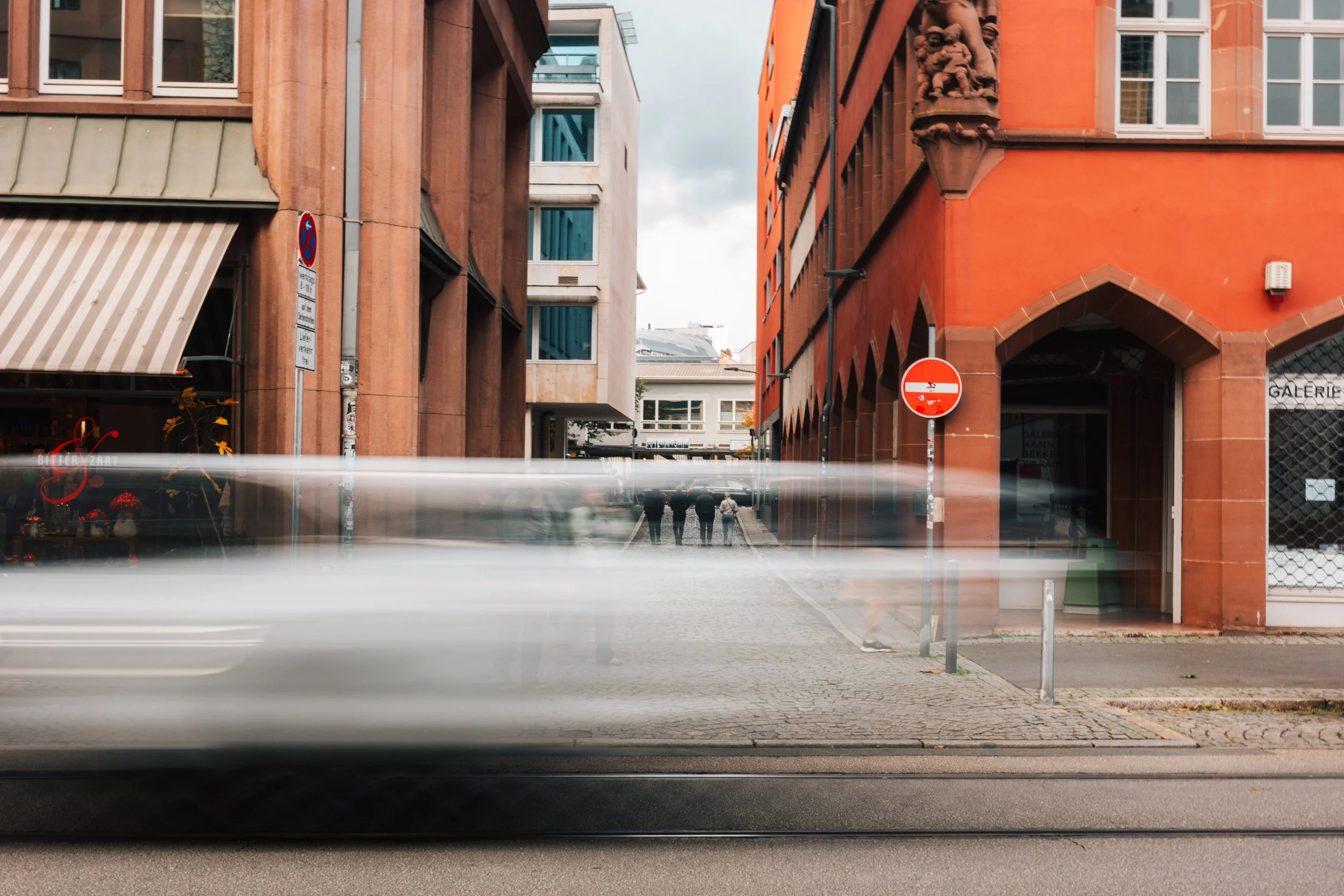
I’m going through a mist filter phase and I still love that look. A simple tripod opens the door to long exposure photography and astrophotography. A diopter can get you into macro photography really cheaply. Experimenting with different accessories is genuinely fun and creatively inspiring.
I know it may not be as sexy as a new camera? But it can get you out taking photos and feeling inspired again, and that’s more important if you ask me!
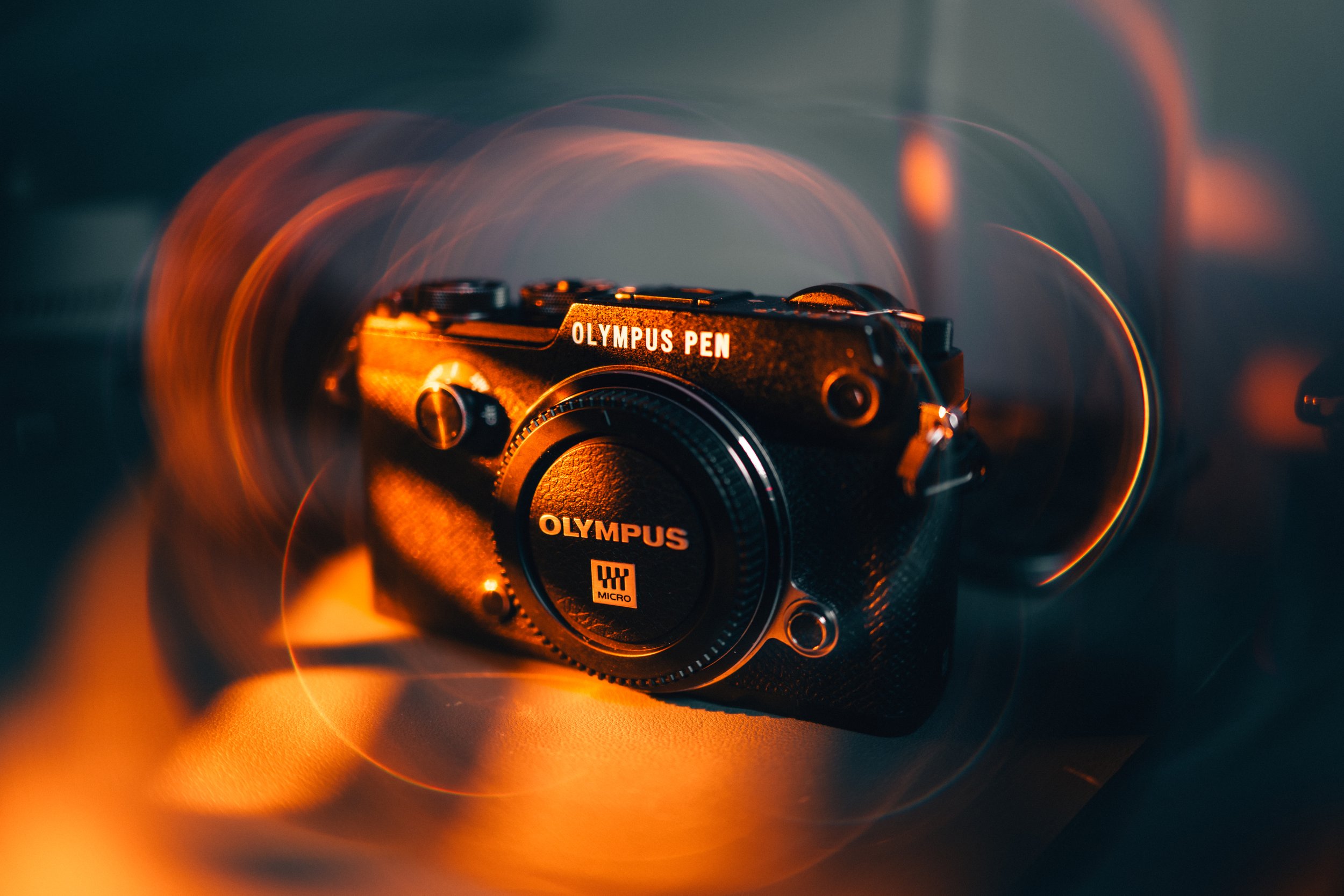
I shot this with K&F CONCEPT creative filters
5. How Much You Enjoy Using the Camera
Here is a tale of two very different halves. I'm lucky enough to own a flagship full frame camera: the Lumix S1Rii. Forty megapixels, full frame, every bell and whistle imaginable. It's genuinely a beast of a camera.
…And do I ever feel inspired to take it out for a casual photo walk? Not really. Spec isn't everything. A camera that sits on a shelf because you don't enjoy taking it out isn't doing anyone any favours. I know my own preferences, and there's a ten times greater chance of me grabbing a Pen F or a Canon Powershot V1 for a day out. Even though the sensors are smaller, and far cheaper.
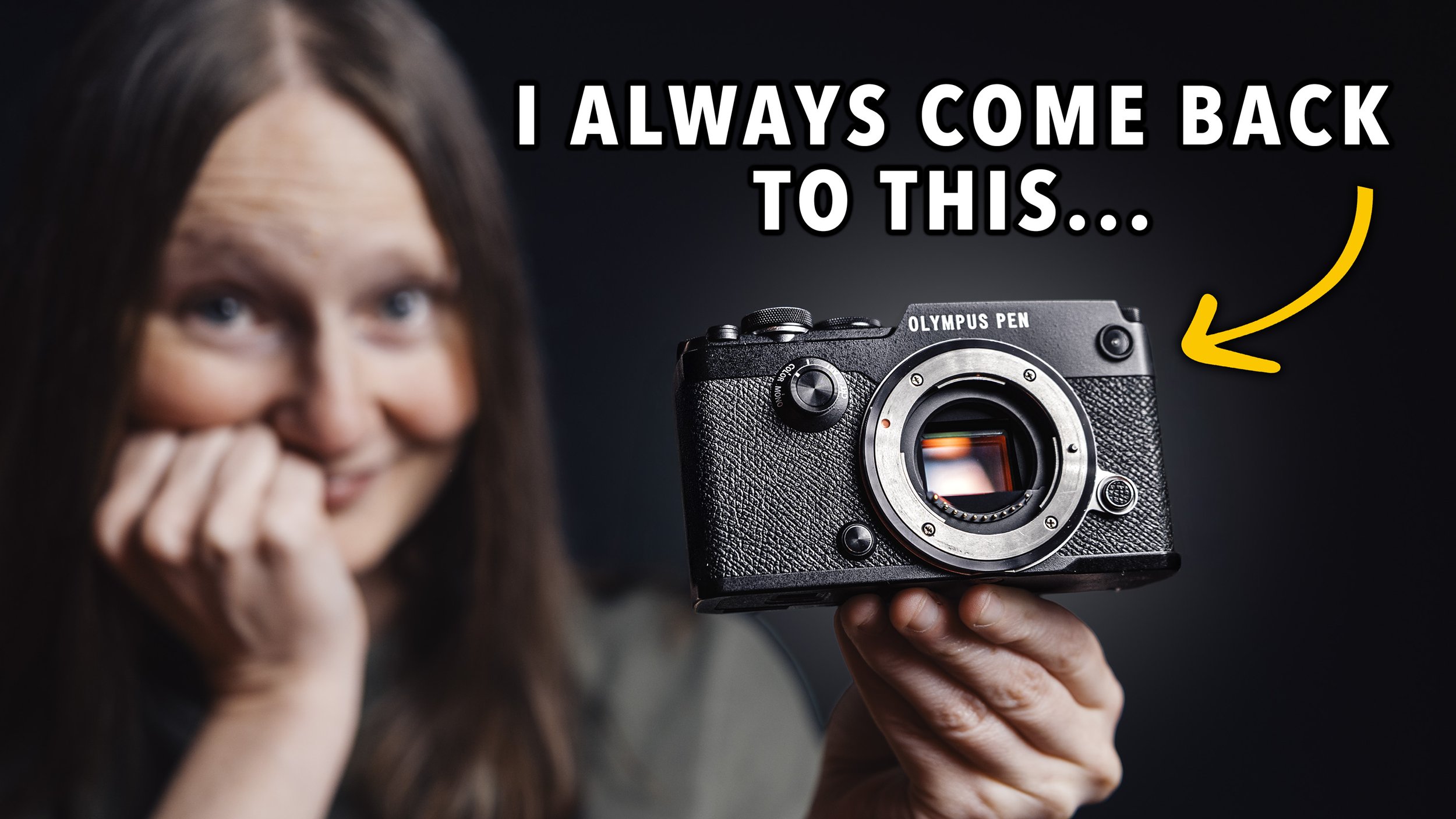
Some cameras just make you FEEL creative. And that’s important
6. How Your Camera Makes Your Subjects Feel
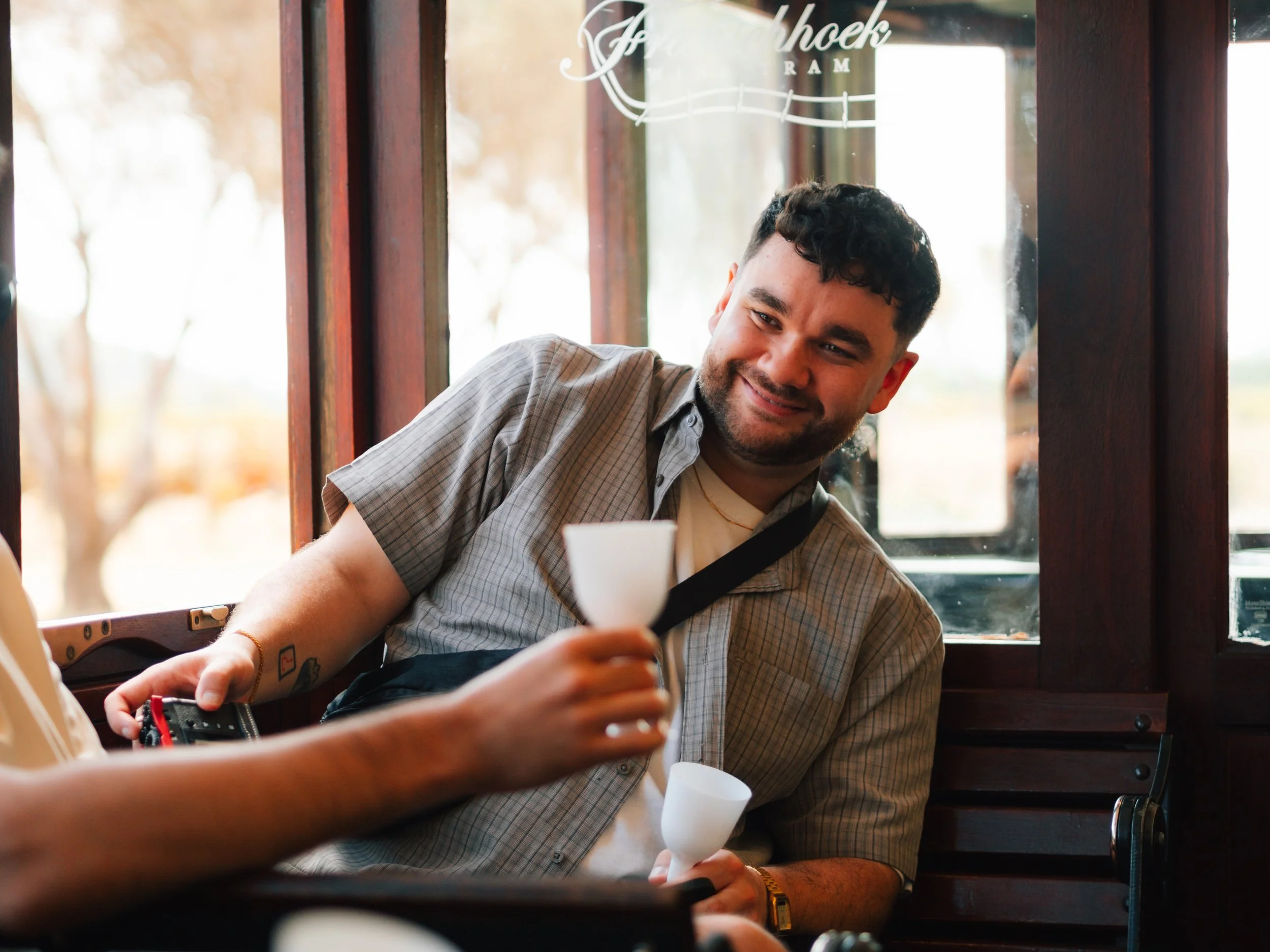
The flip side of that conversation is how your camera makes the people around you feel. If you love street photography or candid shots of friends and family, there can be a real wall between you and your subject when you're holding something as imposing as a full frame camera with a big lens. It starts to feel a bit “paparazzi,'“ and a bit less like a casual moment being captured.
Taking a candid photo at a party with a tiny, colourful little camera is a completely different energy to doing the same thing with an S1Rii. Your subjects relax. The moment stays natural. And you get the photo you actually wanted.
7. Taking the Time to Learn and Practice
Here's the hard truth, and one I learned the hard way: buying a more expensive camera is very often just procrastination in disguise.
Early in my photography journey I was frustrated by my images and genuinely believed a better camera would fix it. Let me be honest with you: it wouldn't have. What I actually needed was to learn to edit more subtly, work on my composition, and get more confident. A new camera wouldn't have solved any of that.
I grew up in a household with very little money. I think I got my very first compact camera through a catalogue, possibly on finance, and with help from my mum. And I took it everywhere! I practiced constantly. I think that's worth far more than any sensor upgrade. Money can speed-run your results in photography to a certain extent, but enthusiasm and practice will outrun money every single time.
It genuinely doesn't matter if your camera meows like a cat when you press the shutter, or it's ten years old! If you put the effort in, you will improve faster than someone who just throws money at the problem. And ya know what? That accomplishment feels ten times better too.
The Bottom Line
I think this whole conversation can be summed up pretty neatly: it's not the size, it's what you do with it that counts.
If you want to watch the full video version with more examples, it's here on YouTube!